


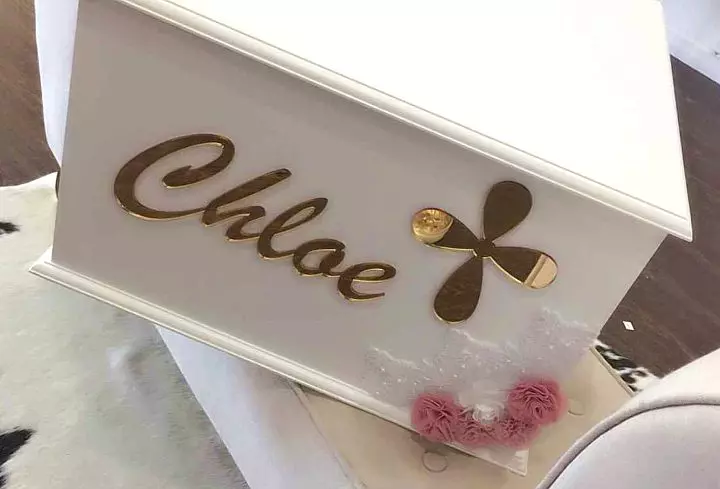
Here at Vector & Raster Laser Services, our laser cutting technicians have worked across a wide variety of different projects, spanning from laser cut fashion and textiles projects to laser cutting and engraving components for car manufacturers. And across the sheer diversity of clients and industries we’ve worked with, one thing is for certain: when people need precision, they look to laser cutting.
But what makes laser cutting the perfect manufacturing method for high-profile projects like fashion textiles, car manufacturing, and small business manufacturing projects, where the quality of products directly affects customer satisfaction and brand reputability? Well that’s a question for our laser cutting experts, who thankfully have carved out the time to provide their insights below.
Here’s a closer look into why laser cutting is the perfect fit for high-stakes production projects.
Why Precision Matters in High-Stakes Design Projects
First, let’s define a ‘high-stakes’ project. For our team of laser cutting technicians, high-stakes projects refer to any project that:
- Is bulk order/has a substantial volume (i.e. total number of units required for completion)
- Has specific quality standards to ensure regulatory compliance for each unit
- Has specific quality standards to ensure customer satisfaction and brand reputation
Where quality control is vital, utilising a manufacturing method that can provide precision through a computer-controlled and focused energy beam will help support consistency of output over hundreds to thousands of iterations. Given laser cutting is a fully non-contact process, it also drastically reduces risks of contact-based mistakes like faulty blades or milling heads misshaping or damaging materials.
How Laser Cutting Ensures Accuracy Down to the Millimetre
As mentioned above, laser cutting is a 100% non-contact manufacturing process where a focused laser beam follows a pre-programmed pathway across the surface of a material. The high-intensity laser head vaporises material uniformly to ensure crisp, clean edges and little to no risks of burnt materials with correct processing and handling.
Learn more about how laser cutting and engraving works here.
What Materials Can Designers Use with Laser Cutting?
Alongside being a high-precision process, laser cutting is also known for its versatility of application. In other words, you can use laser cutting for a wide variety of project types (i.e. projects of varying levels of detail) and across an extensive range of materials.
Here are just some of our favourite materials and surfaces to work with in our laser cutting studios:
Wood
Wood laser cutting produces eye-catching high-contrast results, characterised by a distinct two-toned appearance (with lasered wood being darker and untouched wood being lighter). This makes laser cut wood a great medium for creating personalised gifts with a rustic feel, or even organic-looking signage with high legibility. A great example of wood laser cutting and engraving providing a highly legible, inviting finish is our recent laser engraved plywood sandwich board project.
Given the complex, natural composition of solid wood, laser cutting can produce a striking finish that plays with the depth and dimension of natural wood grain. But you can also use composite wood materials like plywood and MDF to create more uniform designs. This makes composite wood materials an ideal choice for bulk older projects that require higher precision.
Metal
Whilst the lion’s share of our metal projects involve laser etching on metal items sourced ready-made (i.e. precut stainless steel signs, aluminium lids, manufactured metal components, etc.), oftentimes our laser cutting technicians do receive projects that require cutting through surfaces like brass or aluminium sheets. Some examples of projects here include cutting tags from sheets of anodised aluminium for test and tag purposes or for installation in vehicle dashboards or industrial panels.
Given the industrial applications of these metal components, laser cutting is a preferred manufacturing method because cutting technicians can ensure products adhere to exact dimensions so that they can be installed in indentations on industrial machinery, precise positions in vehicle dashboards, and across other technological, mechanical, or industrial applications.
Plastic
Like metal, laser cutting plastic can be used for industrial purposes (i.e. test and tagging, signage, machinery or equipment manufacturing, etc.), or even for the production of personalised items – think staff name tags, custom labels, or even gift items).
We work with a wide variety of plastic materials, including traffolyte plastics to mylars, laminates, and acrylic for laser cutting, all to make a wide variety of designs, from business signage to holiday decorations.
Paper
With the potential to create stunning, eye-catching and mesmerisingly delicate designs, using paper for laser cutting is growing in popularity not only across hobbyists and designers but business owners as well. In fact, we’ve actually done window display projects for retail business owners who wanted to create striking designs out of laser cut cardstock.
Laser cut paper is also a great production method for paper art projects, so we do find ourselves working with a lot of independent artists to create canvas prints or even supplies like lightweight custom stencils.
Note: we can also create laser cut stencils using mylar plastic for more durable stencil designs.
Fabrics
Did you know that you can also use laser cutting technology to process fabrics like leather, lycra, and even silk? In fact, you’d be surprised by how many laser cut fashion projects our team has taken on in recent years. And we’ve been privileged enough to partner with some big names in not only Australia but across the global fashion scene.
Of course, the advantage of using laser cutting machines in fashion production is that you can keep designs uniform and in correct proportions across garment sizing. This makes laser cutting a major efficiency and quality control investment for fashion designers and garment manufacturers.
Tips for Designers to Get the Best Laser Cutting Results
Now that we’ve outlined the ‘why’ and ‘what’ of laser cutting for precision applications, let’s take a look at the ‘how’ of it all.
Here are some tips from our laser cutting technicians on how you can ensure your project outputs are all high-quality and highly precise:
- Use high-quality vector files or quality jpeg or bitmap images with a resolution of at least 300 dpi, depending on the process required – use our graphic design services if you need support here.
- Select the right materials (by considering the application/use cases of your finished products).
- Consider the structural integrity of your designs (i.e. are they too intricate for the intended use case? If so, make tweaks as needed.).
- Partner with highly reputable, experienced (and eco-friendly!) laser cutting technicians – like us!
Why Work with Vector & Raster Laser for Complex Projects?
There are many reasons to choose Vector & Raster Laser Services as your laser cutting partner in precision. For starters, we’re the best at what we do, which is why our selection of case studies includes some seriously high-profile projects.
Our online laser cutting services also supports us in offering our services across Australia – so no matter where you’re based, you can still maintain access to our top-quality laser cutting technicians and get your finished products shipped directly to your door and with responsible, travel-safe packaging. You never have to worry about cracked or broken products with us!
Ready to get started on your next high-stakes production project? Then request a quote from our laser cutting technicians today, or get in touch to learn more about our high-precision services.
Share On:


