


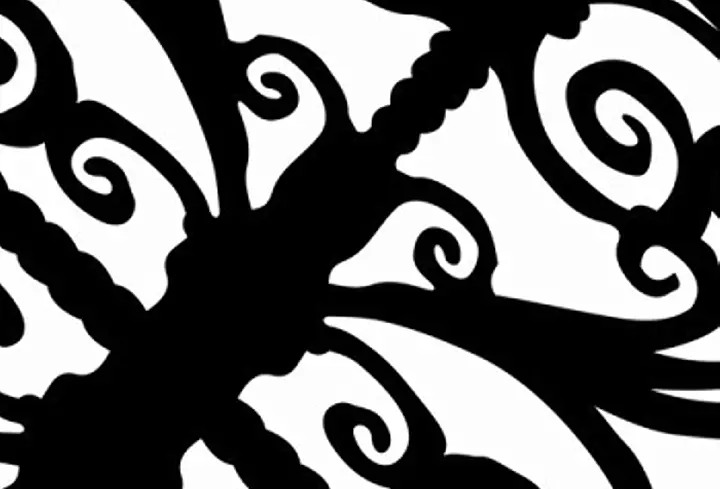
Visual artwork can be created in any number of ways using a variety of materials and processes. Some artists simply use pencil and paper; others paint on canvas, while for professionally commissioned projects other artists might turn to technology for the benefits of precision and accuracy. A sign writer, for example, might use a laser cut stencil to produce consistent signage for their client and obtain the very best results. For this, it is clearly important to use quality artwork as well as high-quality laser machines, making sure that the parameters and software settings are correct. This is the foundation of any quality job and is precisely what Vector & Raster Laser Services can assist you with.
What We Do
Vector & Raster Laser Services specialises in producing artwork to be laser cut and engraved for a range of applications. We create and modify many files on a daily basis; this can be a time consuming process and really demands an eye for detail.
Contrary to many beliefs, our processes are not as simplistic as clicking one button and creating an outline to produce a vector file. In many cases it’s best to manually create the files, as it gives you total control over the final product.
This typically involves achieving smooth gradients and fills on engraving files to produce the correct shading and contrast on the chosen material and image; smooth and accurate outlines to create cut paths for high-quality cutting, and even the correct spacing
and tab widths for general laser cutting and creating stencils.
Common Issues that Arise
Common problems we see quite often in supplied artwork can include outlines that are very messy or jagged. This can result in burns on cutting jobs or even cut edges that aren’t smooth. These undesirable results can be magnified on certain materials.
Hidden vector paths or duplicate cut lines are sometimes placed under filled areas of the artwork or even on separate layers. This can be troublesome as the laser will cut every vector path on the file, even if it is not visible when viewing the artwork on screen. This can lead to burnt or damaged edges and cuts on parts and in places where they are not intended.
The Importance of a Trained Eye
A very common request is the need to either create a vector file for laser cut stencils use or modify an existing file to suit the stencil process. This usually requires a keen eye to not only put the appropriate tabs in to hold the stencil together without it falling apart, but also to do so without changing the overall look of the design too much to keep it looking original and aesthetically pleasing.
Thickness of the tabs can vary based on the material that has been used, how the stencil will be applied, and the design itself. This is something we take into consideration when working on each individual file.
What File Formats Work Best for Laser Cutting and Engraving
Most of the file work we do at V&R sits across two formats: vector for cutting paths and both vector and high-resolution raster for engraving fills. Knowing which one your job needs and supplying it cleanly is the difference between a same-day quote and a back-and-forth conversation about redrawing.
For cut jobs, our preferred format is EPS, with DXF as a strong second. Both let us see exactly where every cut line sits, give us layer separation between cut and engrave passes, and avoid the surprises that come with file conversion. PDF is acceptable as a fallback when nothing else is available, but the cut data needs to be true vector data inside the PDF and not a rasterised image saved into a PDF wrapper.
For engraving, raster files at 300 DPI or higher work well, provided the contrast in the source image is sharp. Smooth gradients translate to smooth shading on timber, acrylic and coated metals; muddy or pixelated source files translate to muddy results on the finished piece. Where the artwork is line-based — a logo, a name, a vector-friendly illustration, we will usually convert it to vector form before engraving for a cleaner result.
If the file is right, the cut and engrave settings can usually be locked in within a few minutes of receiving the artwork. If the file needs work, that’s where the time goes and it is also where the trained eye described above earns its keep.
Some Examples
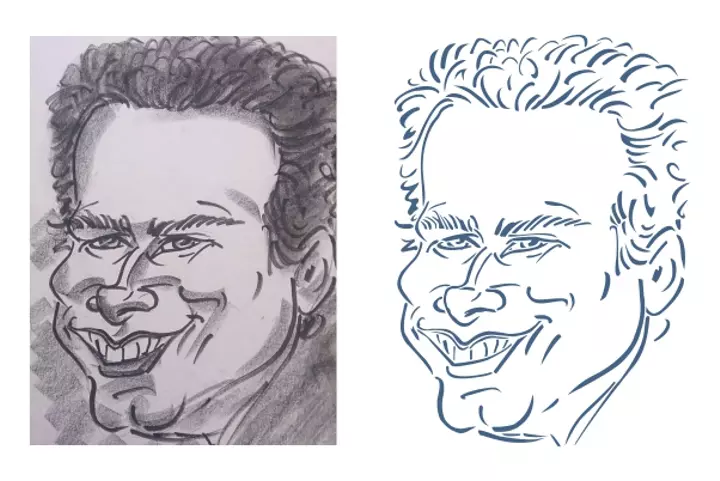
Here are a couple of examples we’ve worked on in the past. The first is a scan of a caricature drawing that was converted into a vector file for stencil use. You can see that even without the shading, it is easily recognisable.
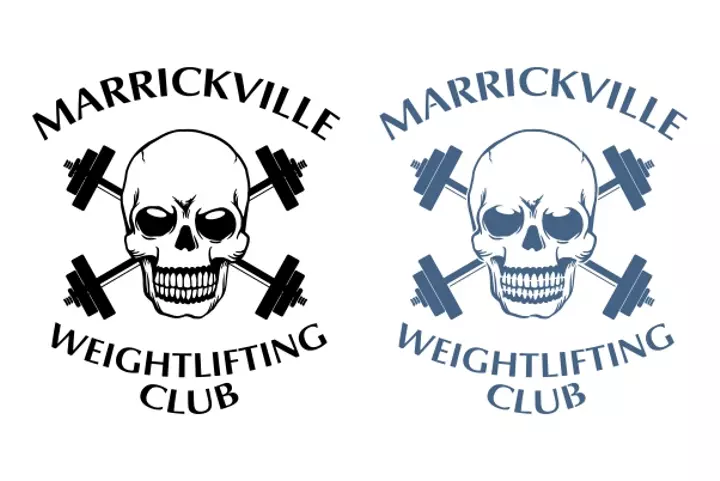
The design below was supplied in a vector format but required tabs also known as ‘bridges’ to hold the design together. Again, the tabs have been strategically placed to keep the logo looking original. You’ll notice the altered version looks just as sinister as the original!
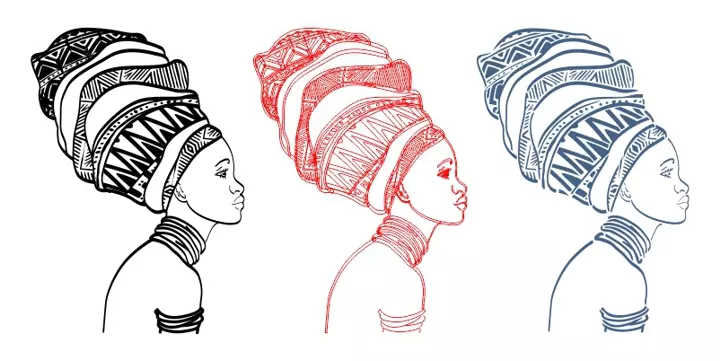
The final design is a perfect example of a file looking great on screen but when stripping it back to outlines, you can see the large amount of hidden and intersecting lines that need to be removed to avoid having the whole stencil fall to bits. Again, you’ll notice that the altered file has the same look and appeal as the original.
How We Work With Sign Writers, Designers and B2B Clients
Sign writers are one of our regular client groups. They tend to know exactly what they want, but the file as supplied is often optimised for a print process rather than a laser one. Our role is to bridge that gap: keep the design intent intact, prepare the file for the laser, and deliver a consistent cut every time the same artwork comes back through the workshop.
The same applies to wholesalers, designers, point-of-sale fabricators and other production-led clients. We run a high proportion of repeat work for commercial laser cutting customers, which means the file prep done on the first order pays back across every order after. Setup notes, material settings, and any tab or bridge decisions are kept against the job so the second run is faster and cheaper than the first.
For dedicated signage work — engraved plaques, illuminated letter blanks, cut-out lettering and brand emblems, our laser cut signage capability handles the substrates most often specified by signwriters: acrylic, ply, MDF, coated aluminium and engraving laminate. We are based in Wandong and ship across the country.
We always do our best to create artwork that delivers stunning results once processed, working closely with our clients to achieve the results they desire.
Share On:


